


Malaysian authorities are using vaguely worded laws to harass and persecute journalists for reporting on allegations of graft and official malfeasance, human rights activists have warned.
In a recent case, police launched criminal investigations against two journalists working for the online newspaper Malaysiakini after they reported allegations that an ethnic Indian milk trader who died in police custody in February was the victim of police brutality.
The journalists are being investigated under a provision of Malaysia’s Criminal Code that makes it a crime to spread “rumors that can cause fear and alarm to the public, which could induce a person to commit an offense against the state or to public peace.”
Human Rights Watch says the investigation of the journalists is a severe violation of freedom of speech.
“Reporting on allegations of government misconduct is part of a journalist’s job,” Linda Lakhdhir, Asia legal adviser for the rights group, said in a statement. “Rather than investigating the reporters, the Malaysian authorities should be conducting a credible investigation into the allegations of police abuse.”
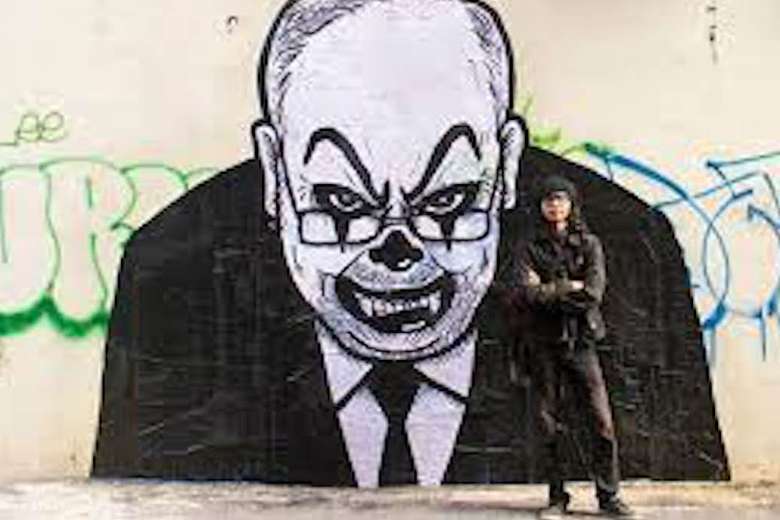
In another case that has drawn widespread outrage in the Muslim-majority country, police last month arrested Fahmi Reza, a street artist and political activist, after he created a tongue-in-cheek playlist on Spotify in response to a tweet by Malaysia’s queen, Tunku Azizah Aminah Maimunah Iskandariah.
Time and time again, the draconian Sedition Act and CMA are used as a tool by the authorities to silence critical voices and dissent
Fahmi is being investigated under Malaysia‘s sedition and communications laws, the former of which criminalizes any speech that can “excite disaffection” against or “bring into hatred or contempt” for members of the country’s royals. If convicted, Fahmi could be sentenced to seven years in prison.
Amnesty International’s Malaysia chapter has slammed authorities for treating satire as a crime.
“Time and time again, the draconian Sedition Act and CMA [Communications and Multimedia Act] are used as a tool by the authorities to silence critical voices and dissent. This needs to stop,” Amnesty International said.
It isn’t the first time that Fahmi has been facing charges for satire. The graphic designer was charged in 2016 with violating the Communications and Multimedia Act and sentenced to a year in prison, a sentence later commuted, for depicting former prime minister Najib Razak as a clown.
Numerous other locals, including journalists, have been investigated and charged in recent years under the same laws, which rights activists describe as undemocratic by violating freedom of speech and expression.
“The investigations are bad enough but Malaysia has such vague and overbroad laws that the police can go after almost anyone for just about anything they do or say,” Lakhdhir of Human Rights Watch said.
“The government needs to stop treating criticism as a crime and amend or repeal the abusive laws being used against critical speech and peaceful protest.”
On this year’s World Press Freedom Index by Reporters Without Borders, Malaysia is listed near the bottom, at 119th place, among 130 countries surveyed.
“The country that fell the furthest in 2021 was Malaysia (down 18 at 119th), where the problems include a recent anti-fake news decree allowing the government to impose its own version of the truth,” Reporters Without Borders says.
Credit: Source link


