


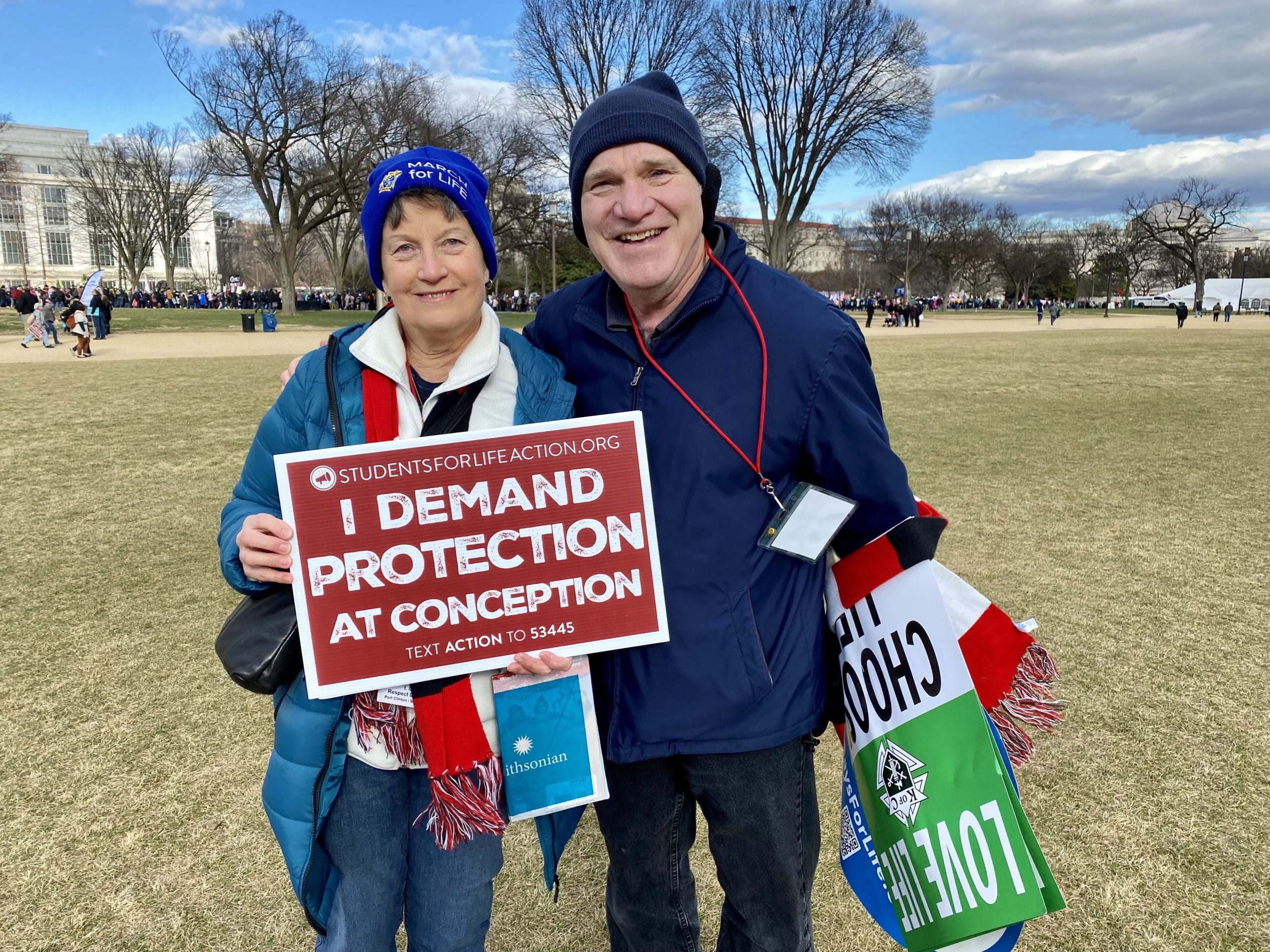
“We have to say what it is,” he said. “It’s the killing of an unborn child … It’s the killing of a child.”
Jeanne Mancini, president of the March for Life, revealed that she didn’t expect to see Roe overturned in her lifetime — that is, until she read the main brief and listened to the oral arguments for Dobbs v. Jackson Women’s Health Organization, the Mississippi abortion case that ultimately reversed Roe.
She was sitting in her office in Washington when the news of the decision broke on June 24, 2022.
“I was overcome with peace and gratitude for all of the marchers who marched over the years because, I think, it was in large part the witness to the inherent dignity of the unborn child that Roe got overturned.”
Chuck Donovan, who serves on the board of the March for Life and is president of the Charlotte Lozier Institute, the research arm of Susan B. Anthony Pro-Life America, said he attended his first march in 1979.
Over the years, he said that the “personality of the movement changed.”
“Initially, the march was an opportunity to highlight the Supreme Court decision, to protest it,” he recalled, with the typical march having a more “funereal aspect to it,” reflecting the lives lost to abortion.
In the last decade or so, he said, he noticed a change.
“It got increasingly young — that grew — it became celebratory and optimistic,” he said. “I didn’t know whether technically we were winning, but the march began to feel like we were.”
He shared one march memory — of the first president to wave at pro-life marchers.
(Story continues below)
March for Life founder Nellie Gray repeatedly tried to convince President Ronald Reagan to speak at the march, he said. At the time, Donovan worked at the White House and stressed Reagan “would have loved to do that.” Reagan’s team, however, was worried about his safety after the assassination attempt in 1981.
But Gray was tenacious. She met with the president the morning of march and told him, “You’ve got to come today,” Donovan remembered. Reagan was reluctant, but Gray managed to persuade him to wave to the marchers from the White House’s Truman balcony.
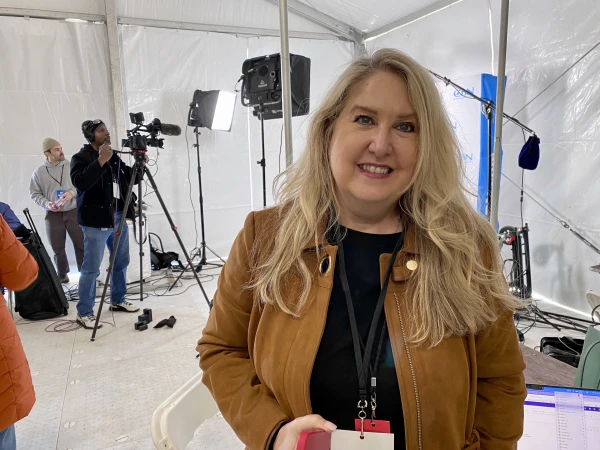
Kristi Hamrick, for her part, did believe she’d live to witness Roe’s demise.
It was always clear to her that abortion wasn’t in the U.S. Constitution, she said, but she also believes the evolution of the pro-life movement was a critical factor.
“We have lawyers, we have doctors, we have people focusing on service for women. We have people who are post-abortive who tell their stories. We have people who survived rape and rejected abortion, we have people conceived in rape,” she said. “And we didn’t have that when Roe happened. We made that.”
Credit: Source link


