


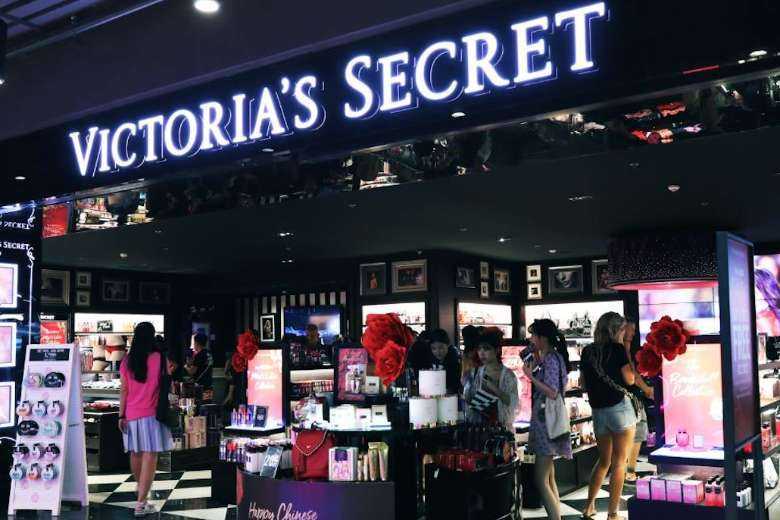
The unprecedented settlement to be paid to 1,200 workers will be underwritten by Victoria’s Secret
A Victoria’s Secret store at the Siam Center in Bangkok, Thailand. (Photo: siamcenter.co.th)
A prominent garment company has agreed to pay out over US$8 million to 1,200 Thai workers who were laid off last year without pay or compensation in a settlement hailed by labor rights activists.
Victoria’s Secret, an American retailer that primarily sells lingerie and beauty products globally, has paid just over 285 million baht ($8.36 million) to former workers employed by a Thai factory that laid its workers off without any compensation in March last year during the height of the Covid-19 pandemic after declaring bankruptcy.
The workers protested the decision to no avail while labor rights activists decried what they said was an arbitrary termination of their employment, calling it “wage theft.”
The settlement, which is the biggest of its kind in the global garment industry, will be underwritten by Victoria’s Secret in a loan arrangement with the Thai factory’s owner.
Activists say it could be a sign that foreign companies will take a more proactive role in ensuring that labor rights are upheld at factories they hire in countries like Thailand, where the garment industry has long been accused of engaging in widespread exploitation of workers.
“Global brands need to realize that they are not passive investors but trend-setters in setting labor standards,” said David Welsh, director in Thailand for the Solidarity Center, an American labor rights advocacy group.
“Thai law and the labor practices of Thai suppliers mean that migrant workers are blocked from doing the one thing most likely to improve working conditions or prevent abuse: building and leading their own unions”
It remains to be seen, however, if this settlement will indeed be one of several similar payouts to workers dismissed wrongfully from factories in Thailand.
Rights advocates have long accused foreign multinationals of hiring manufacturers in countries such as Thailand because doing so can greatly reduce their costs as local workers are paid low salaries while being required to work long hours.
They have also accused garment manufacturers of routinely exploiting workers, including migrant laborers from Laos, Myanmar and Cambodia.
Many migrant workers employed at some factories in a special economic zone in northern Thailand near Myanmar, for instance, “are irregular or seasonal, allowing employers to maintain a flexible labor force. In 2018, it was found that these workers worked 6.6 days a week on average, earning a monthly wage of $216, which is below the legal minimum wage,” noted the International Organization for Migration, a United Nations agency.
At the same time, the International Labor Rights Forum has stressed that migrant workers and other low-income workers in Thailand need better rights to form effective labor unions and enforce their rights.
“Thai law and the labor practices of Thai suppliers mean that migrant workers are blocked from doing the one thing most likely to improve working conditions or prevent abuse: building and leading their own unions,” the group explains.
Latest News
Credit: Source link


