


Mass, adoration, and confession all play a crucial part in the life of the school and are made readily available. For the students and faculty, each day begins with the celebration of Mass at 8 a.m. After that, classes begin, but not before prayer and the pledge of allegiance.
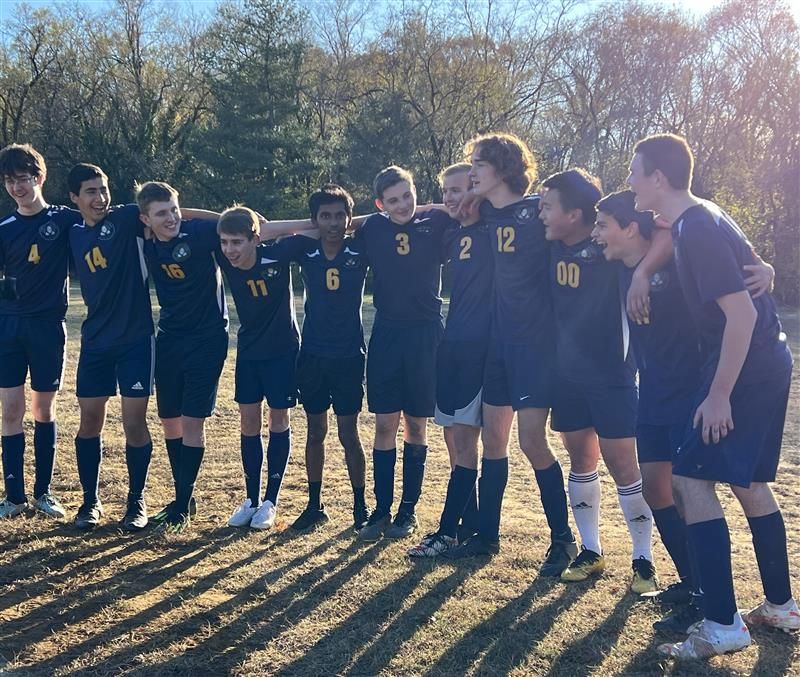
Besides academics, students at the Annapolis academy can also participate in sports including soccer, baseball, tennis, and volleyball, as well as several student-led clubs.
The Clearys said they love how much each subject is integrated into the other, something they said helps students connect the dots between faith and reason. The Socratic style in the classes, they said, encourages students to ask questions and even voice disagreement with teachings that don’t make sense to them.
When new students come to the academy, Azin said that one of the things they often say is: “Oh, I’m allowed to ask questions, I’m actually allowed to discuss things with my teacher and disagree with my teachers?” To which they respond: “Absolutely, this is where you learn how to think, not what to think.”
Far from giving in to the moral and religious relativism so prevalent in the modern education system, the Clearys said that giving students the freedom to question teachings strengthens their faith and equips them to defend it.
“We can’t keep our kids in a bubble,” Azin said. “They have to go and fight and they have to be the future leaders … what a beautiful way for them to start as teenagers to learn about freedom.”
“We’re teaching the kids logic and rhetoric and how to communicate, how to understand fallacies,” Bill chimed in. “So, if over time, the Chesterton school students, including ours at Annapolis, learn how to spot those fallacies, how to have conversations, how to listen to the other side, we’re hoping that these students will go out there and, with a strong Catholic tradition, be able to make a difference out there in the world.”
Peter Eudy, another parent whose son, Hunter, is a freshman at the Annapolis academy, told CNA that to him there are three things that characterize the school: “Engaged and supportive parents,” a learning environment “surrounded by God’s love,” and “happier teenagers.”
A member of the Navy and a father of six, Eudy said that he often worries about his children growing up in a culture that is “corrosive,” especially to young men pursuing authentic masculinity. Chesterton, he said, has offered his son and family “joy and hope.”

Evangelization through education
Ahlquist said he would advise any parent considering a Chesterton Academy education for their children that “there’s absolutely nothing more important than the souls of their children.”
“The high school experience is really one of the most pivotal times in their lives. If they’re not well formed at that stage, they’re not going to do well in college or wherever they go on to because they won’t have a grounding in faith and reason,” he said.
At Chesterton, Ahlquist said: “We can really prepare their minds at a very critical time of their lives.”
According to Ahlquist, the Chesterton schools’ mission comes down to “evangelization through education.”
“We really are proclaiming the Gospel by simply teaching the truth to our students because the Gospel is going to be spread just by forming their hearts and minds at this important time in their lives,” he explained. “We’ve seen lives changed and we have conversions at our schools, but the people who intersect or who just cross our paths, their lives are affected in a positive way [too]. They see a lot of Catholic joy.”
Ultimately, Ahlquist concluded: “That’s how you change a culture and change a society.”

Peter Pinedo is a DC Correspondent for CNA. A graduate of Franciscan University, Peter previously worked for Texas Right to Life. He is a first lieutenant in the U.S. Army Reserve.
Credit: Source link


